Ever wondered what's behind those eye-catching metallic details that seem to grab the light on a product's surface? That's the magic of foil and laser film technology. In this post, we'll walk you through how these two materials work, why they're not quite the same thing, and the little details that make all the difference in getting a flawless application.
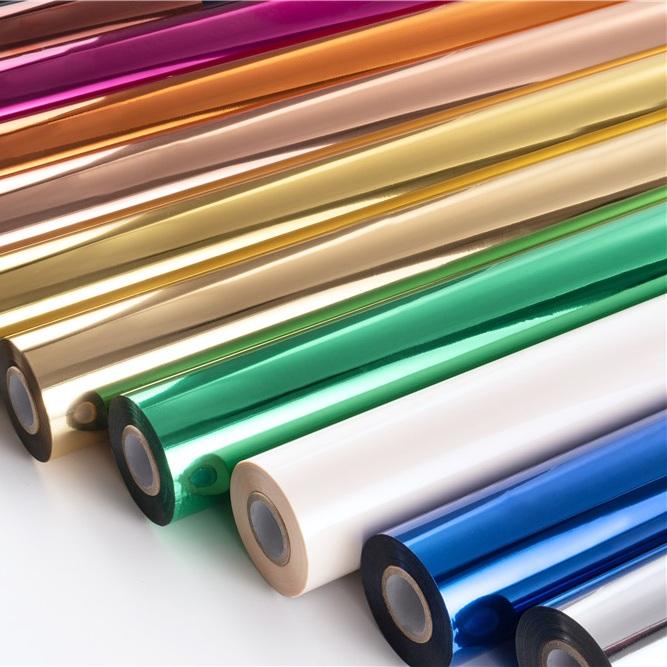
Hot Stamping Foil
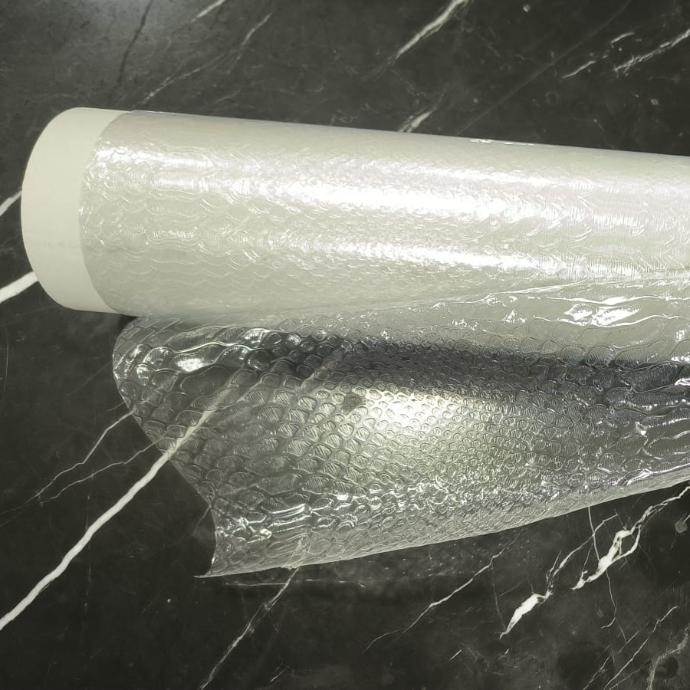
Crystal Foil
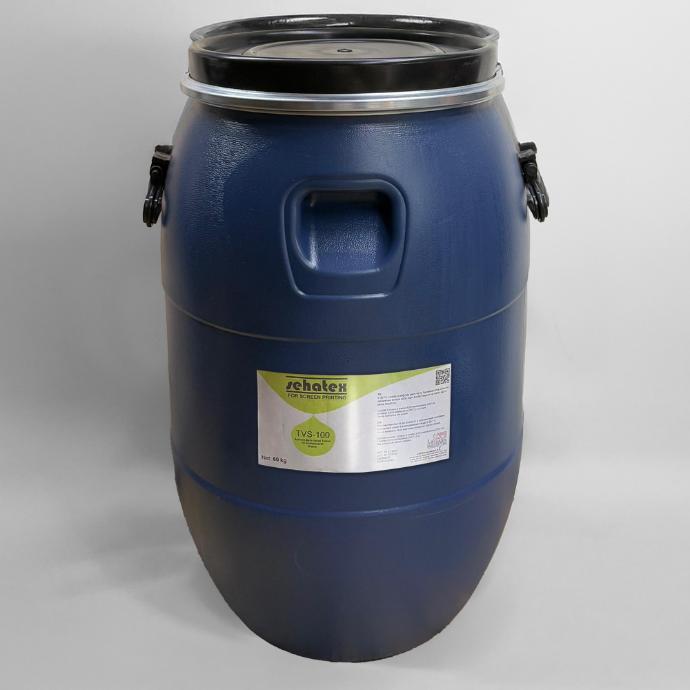
Adhesive
First things first: foil doesn't stick on its own
One of the most important things to know about foil is that it can't adhere to any surface by itself. Press it straight onto a box, a piece of fabric, or paper, and nothing will happen. It needs an adhesive layer to hold onto. These adhesives range from solvent-based to water-based, but they all share one thing in common: they have to be applied in a patterned way, using the right mold, stencil, or roller.
So is there an exception to this rule? Yes — Crystal foil
What makes crystal foil different?
Think of crystal foil as the rebel of the family. It can be applied entirely on its own, with no extra materials needed, and it still delivers a strikingly beautiful effect all by itself. The best part? When you layer foil printing on top of it, that effect gets taken to a whole new level.
Solid-colored foils give you a clean, elegant look. Multicolor, patterned foils take things even further, opening up endless combinations that keep pace with fashion's constant hunger for something new.
So how are these materials actually applied?
Let's get into the technical side for a moment. Both crystal foil and foil are transferred onto a surface using heat and pressure. The equipment used can vary — calenders, flat presses, or conveyor presses are all common choices.
The application settings depend on the equipment:
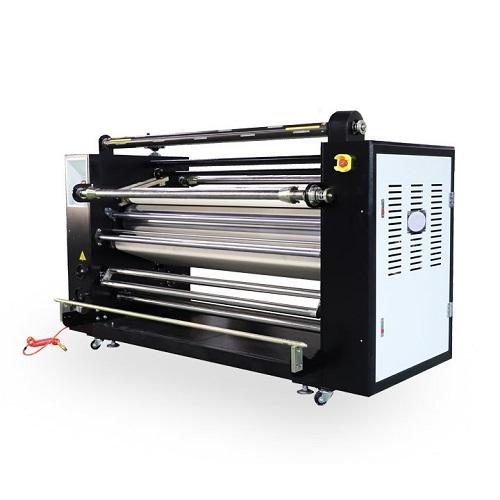
Roller presses with a conveyor belt system: 150–160°C, a speed of 3–5 meters/minute, and 4–6 bar pressure
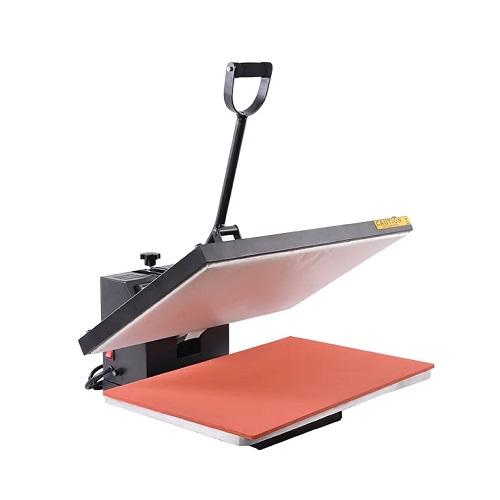
Fixed hand or air presses: 145-160°C, a 10-15-second application time, and 4–6 bar pressure
Never skip the cooling step
This is one of the most critical parts of the whole process. Once the laser film has been transferred, the carrier film needs to be peeled away carefully. Rush this step, and you'll almost certainly end up with a distorted pattern.
The ideal method is to shock-cool the product at 0–2°C for 1–2 minutes right after printing. If your facility doesn't have that kind of cooling setup, don't worry — letting the product rest at room temperature for 5–6 hours works just as well for separating the carrier film safely.
What about foil printing — does that need cooling too?
Good news: no. Foil is applied onto the laser base (once its carrier film has been removed) using almost the same method as the laser printing step. The one difference is that foil printing doesn't require an extra cooling step afterward — so this part of the process is actually a bit easier.
Home Textile
Applying unique effects to velvet fabric under any operating conditions is made possible through the use of laser foil and leaf.
Please contact us for sample requests.
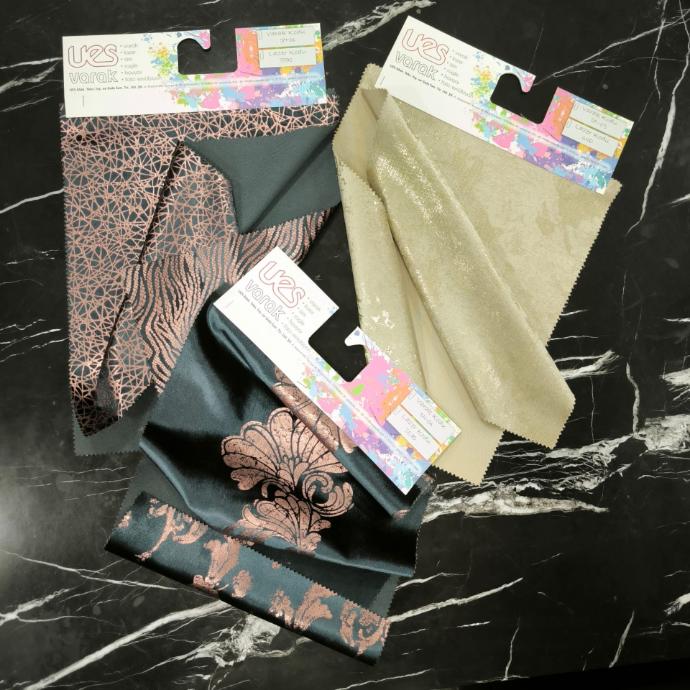
In short: laser film is stunning on its own, but pair it with foil and the visual richness reaches a whole new level. Get the temperature, pressure, and — especially — the cooling time right, and a flawless result is well within reach.
For more information, samples, color charts, and catalog requests, please contact us.